
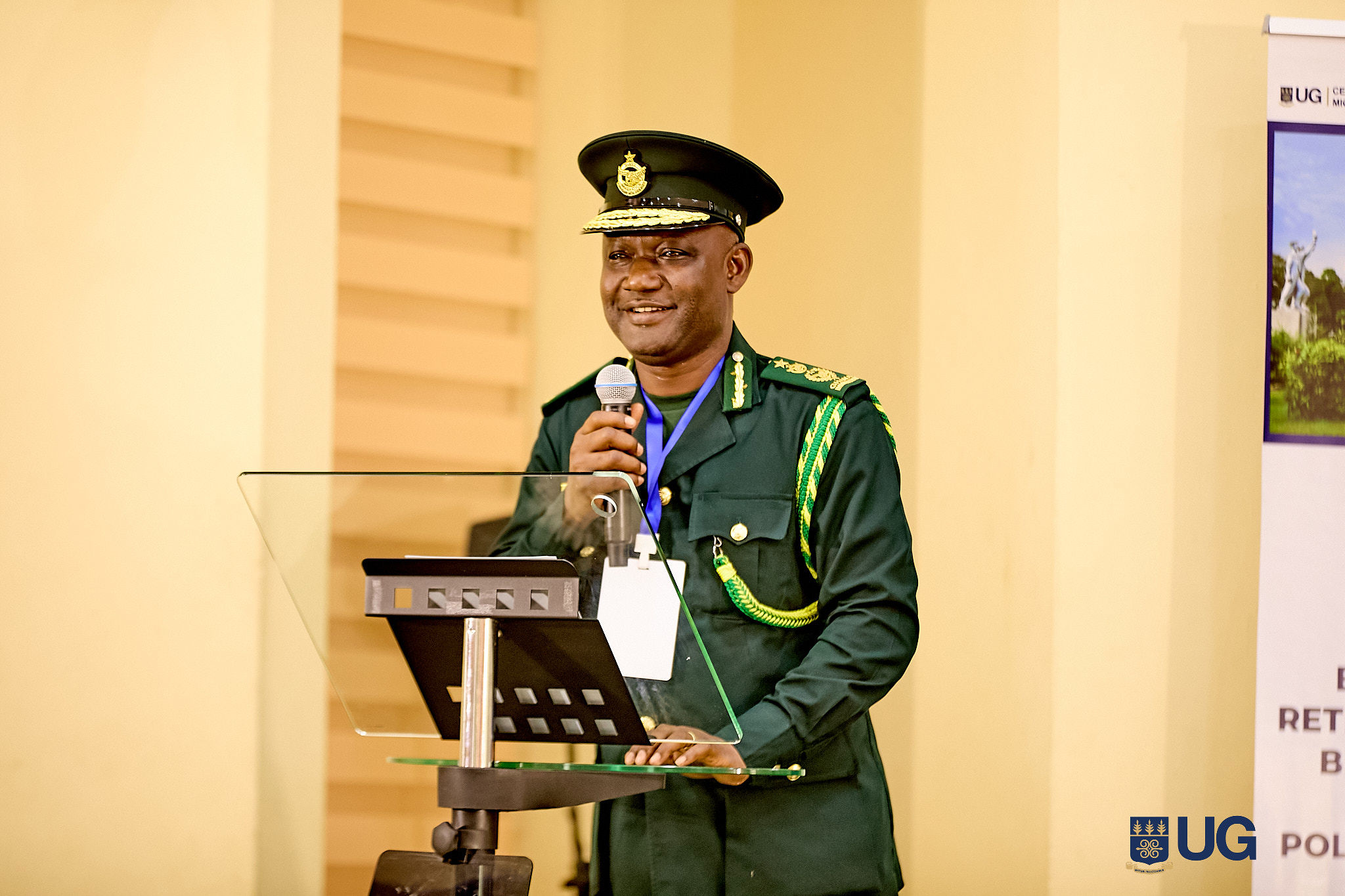
The Comptroller-General of the Ghana Immigration Service, Samuel Basintale Amadu, has called for closer collaboration between researchers, policymakers and operational agencies to strengthen migration governance.
Delivering the keynote address at the 2nd CMS@20 International Conference hosted by the Centre for Migration Studies at the University of Ghana, Mr Amadu emphasised that bridging the gap between research, policy and practice remains critical to addressing contemporary migration challenges.
“Evidence-based policy is not merely desirable, it is essential,” Mr Amadu stressed, highlighting the importance of grounding migration governance in credible data and applied research.
Positioning migration as both a policy concern and an operational reality, the Comptroller-General pointed to the day-to-day responsibilities of the Ghana Immigration Service, including border management, facilitation of lawful migration and the fight against irregular migration, as areas that depend heavily on timely, evidence-informed decisions.
Mr Amadu observed that although migration research continues to expand, its translation into actionable policy and operational strategies remains limited. This disconnect, he indicated, affects the effectiveness of governance responses, particularly in fast-evolving migration contexts.
He emphasised that research institutions and operational agencies must move beyond parallel engagement towards more integrated collaboration.
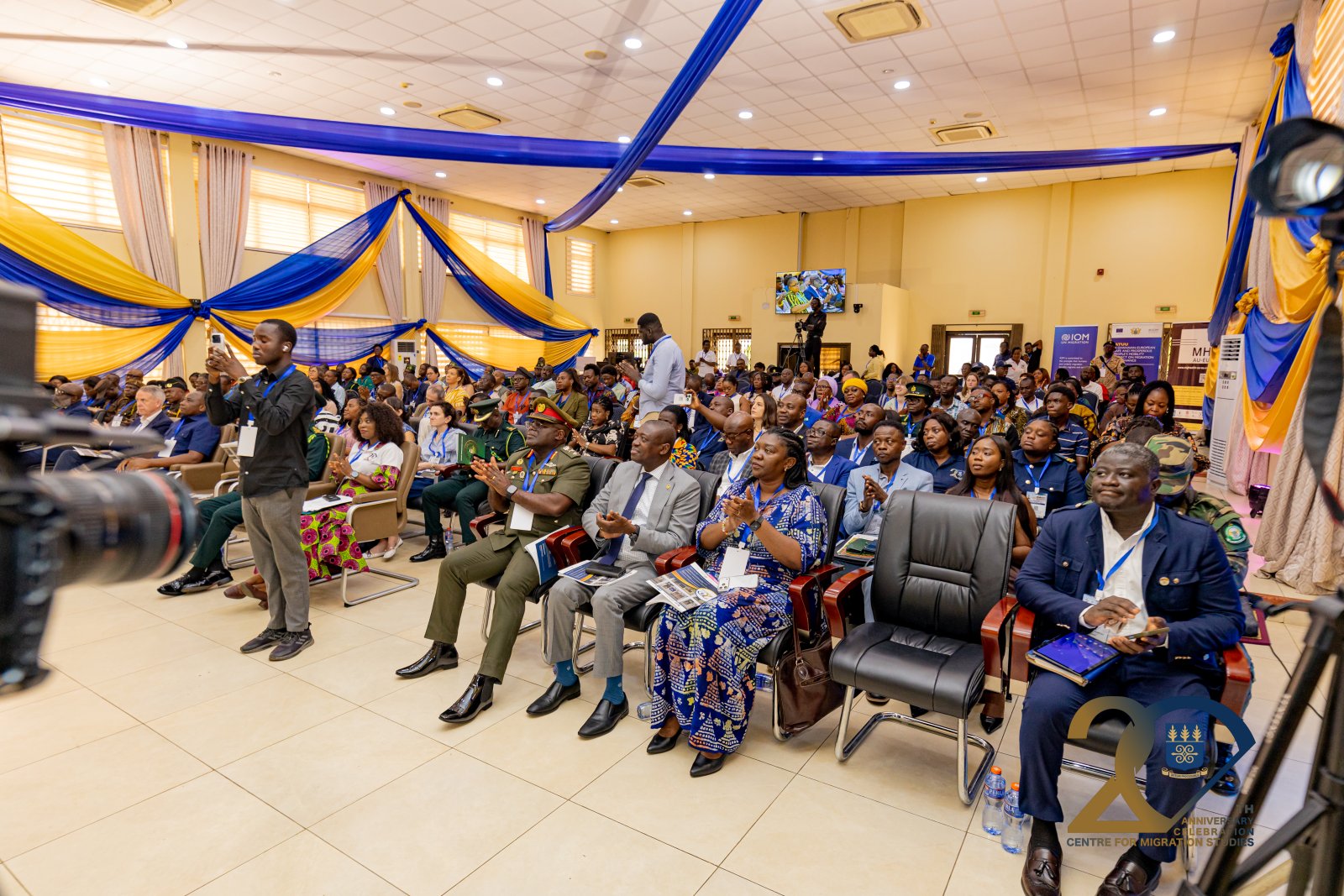
According to Mr Amadu, research plays a vital role in understanding migration drivers, emerging trends and socio-economic impacts, while operational agencies provide practical insights that ensure such knowledge remains grounded and applicable.
“Research helps us better understand migration drivers, emerging trends and the socio-economic implications of human mobility,” he noted, underscoring the need for stronger linkages between knowledge production and implementation.
The Comptroller-General further highlighted ongoing efforts within the Ghana Immigration Service to strengthen this interface, particularly through its Migration Management Department and Migration Policy and Research Section.
He also invited deeper institutional collaboration with the Centre for Migration Studies, noting that such partnerships are essential for ensuring that academic insights inform operational realities.
Mr Amadu described migration as a phenomenon that presents both opportunities and risks. While well-managed migration contributes to national development through remittances, skills transfer and labour mobility, he cautioned that poorly governed systems can lead to irregular migration, human trafficking and migrant smuggling.
He commended the Centre for Migration Studies for its two decades of contribution to migration research and policy dialogue, noting that the Centre’s work continues to support evidence-informed policymaking in Ghana and beyond.
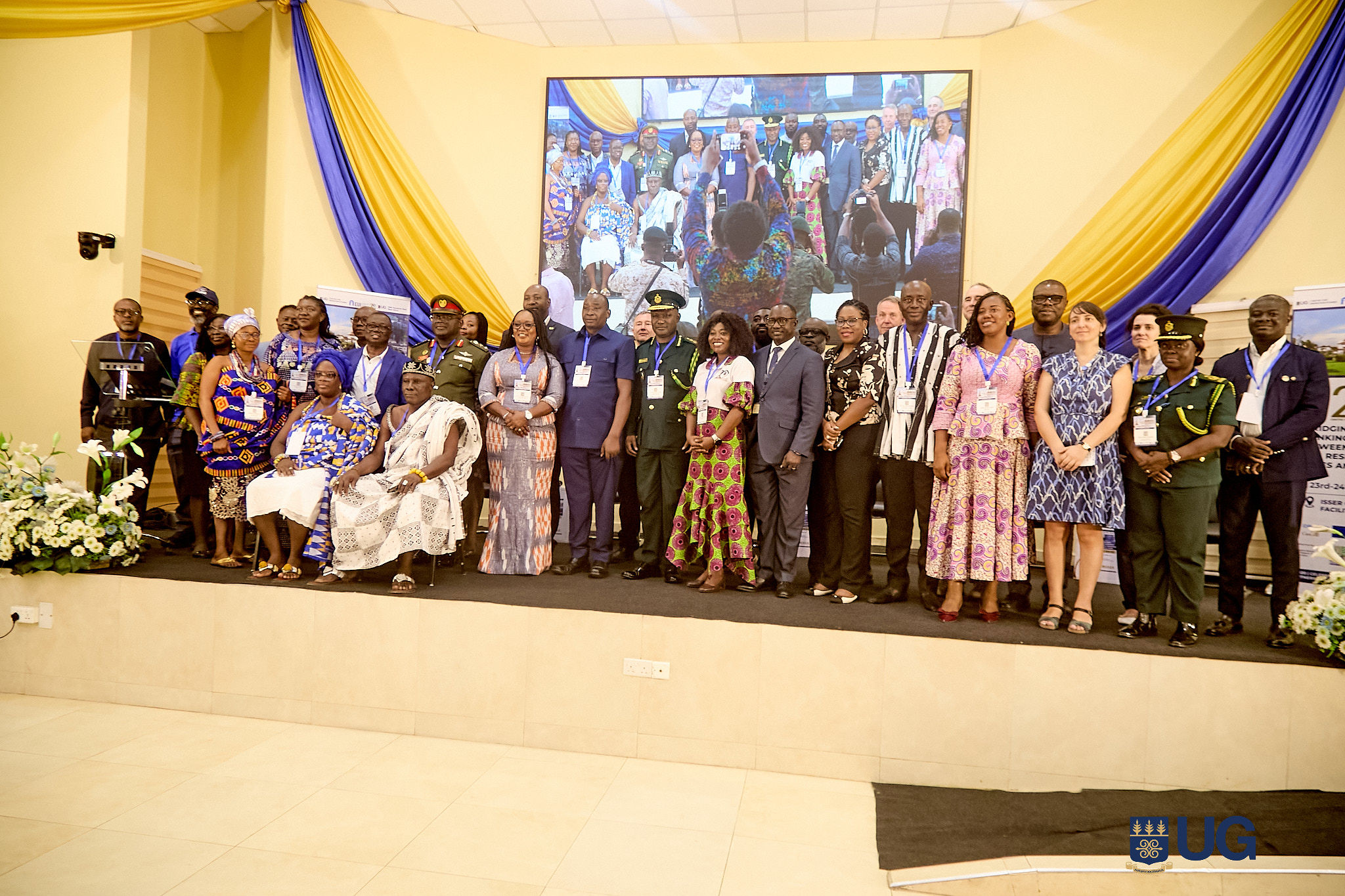
The 2nd CMS@20 International Conference, held under the theme “Bridging the Gap? Rethinking Engagement between Migration Research, Policies and Practices,” forms part of activities marking the Centre’s 20th anniversary and brought together scholars, policymakers and practitioners to explore pathways for strengthening migration governance.
- Log in to post comments