
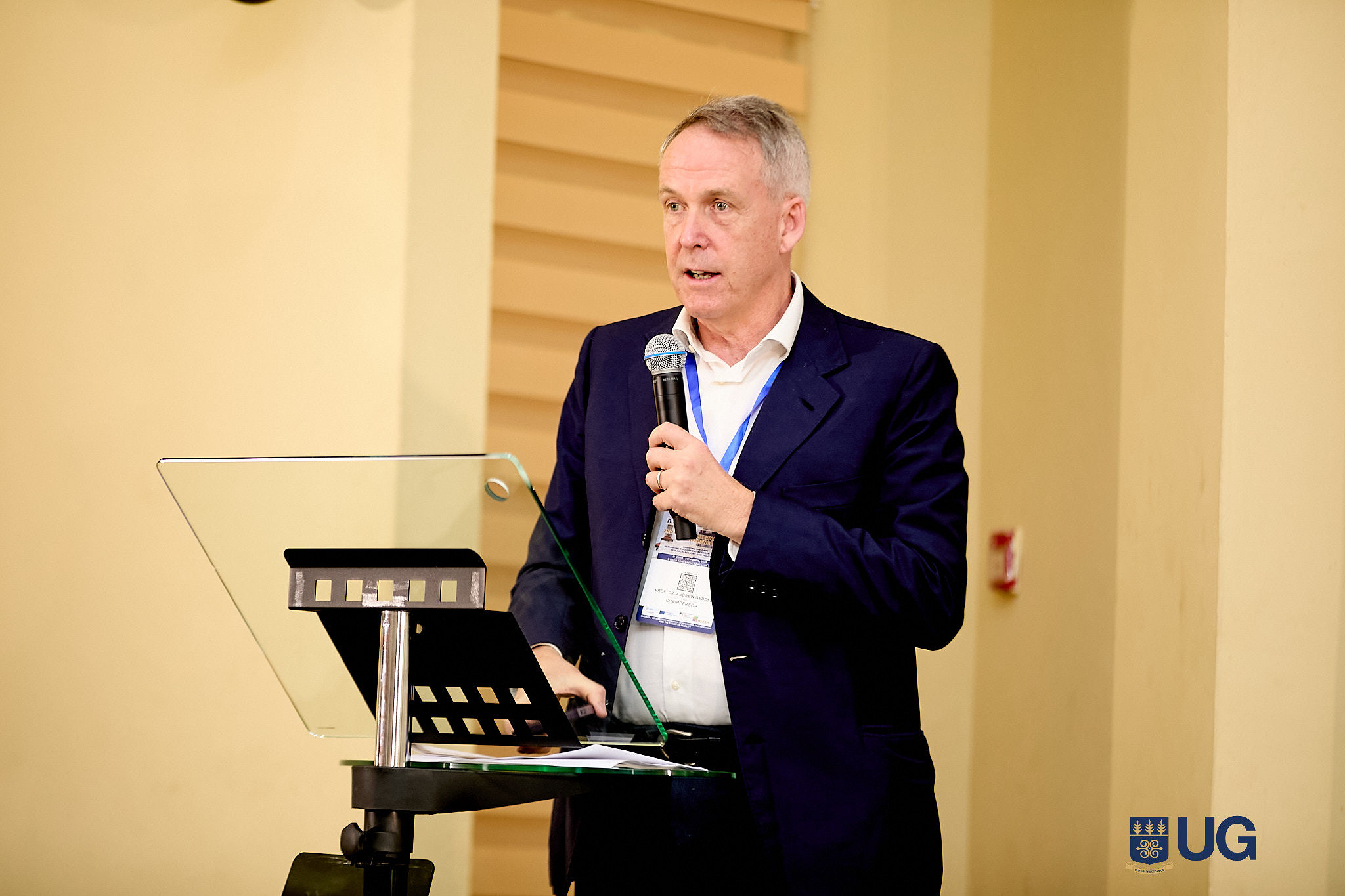

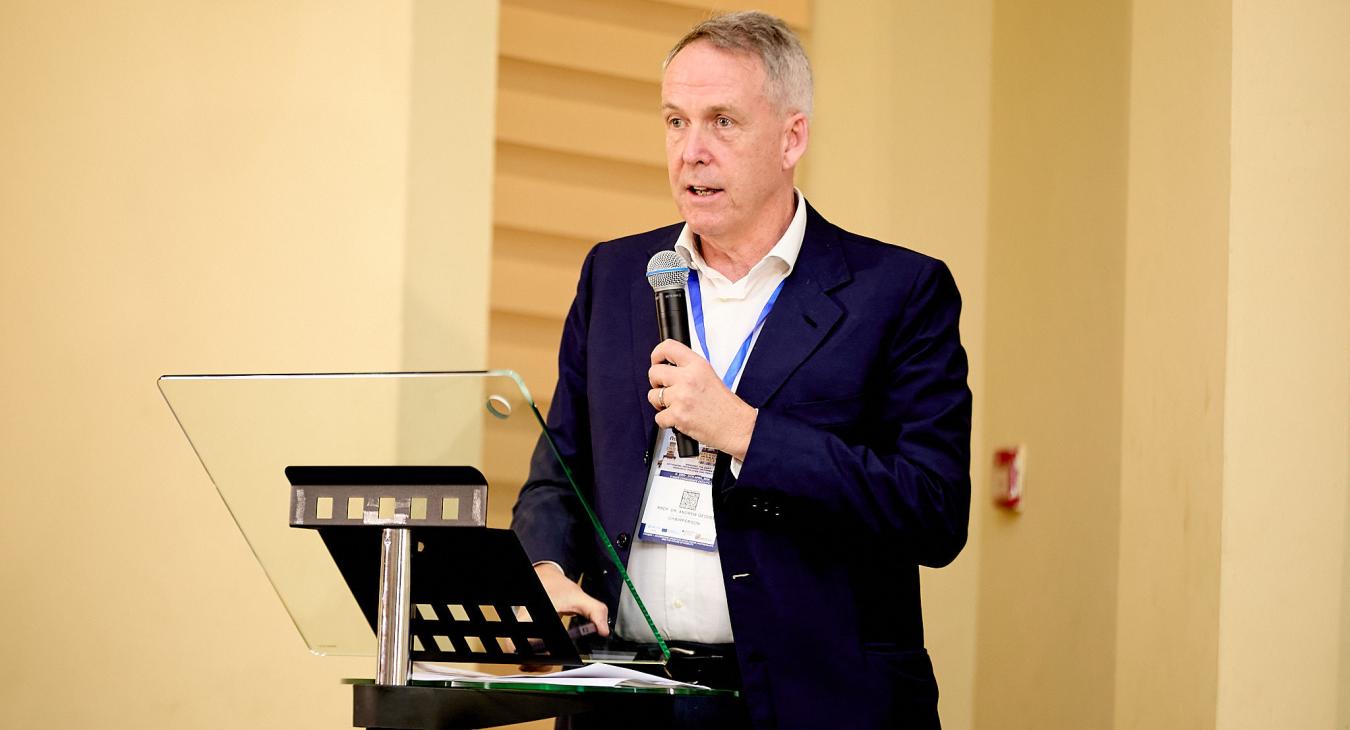
The Director of the Migration Policy Centre at the European University Institute, Andrew Geddes, has reaffirmed the importance of rigorous research and strong partnerships in shaping effective migration governance.
Speaking in a message delivered during the 2nd CMS@20 International Conference, Prof. Geddes underscored the need for closer engagement between migration research, policy development and practical implementation.
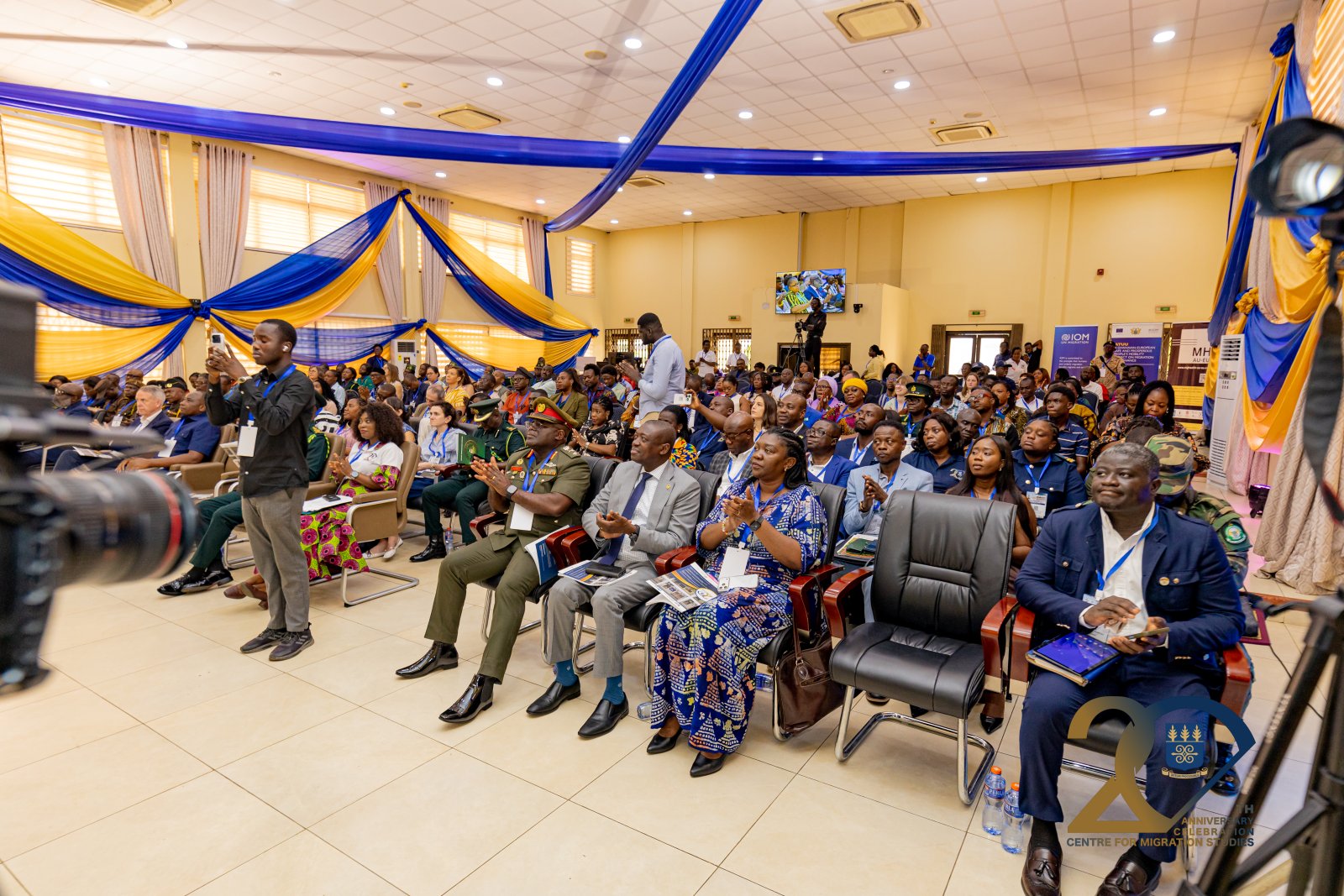
The conference, organised by the Centre for Migration Studies at the University of Ghana as part of its 20th anniversary celebrations, brought together researchers, policymakers and practitioners to examine how knowledge on migration is produced, mobilised and applied in policymaking.
Prof. Geddes noted that since its establishment in 2012, the Migration Policy Centre has prioritised independent, rigorous and policy-relevant research aimed at strengthening migration governance across different levels.
According to him, the Centre’s work spans a wide range of migration issues, including global governance, labour mobility, international protection, border management, citizenship, integration and the political drivers of migration.
“Our research is designed to be analytically robust, empirically grounded and policy relevant,” he said, explaining that the goal is to support policymakers as they navigate the complex challenges associated with human mobility.
He emphasised that strengthening the relationship between research and policymaking remains essential in an increasingly interconnected world shaped by climate change, conflict, inequality and demographic transformations.
Beyond research, Prof. Geddes highlighted the Migration Policy Centre’s commitment to professional training for early and mid-career practitioners working on migration issues across government, international organisations, civil society, journalism and academia.
He explained that these training programmes aim to build analytical capacity, strengthen engagement with migration data and research methods, and support the development of more humane and forward-looking migration policies.
Prof. Geddes also congratulated the Centre for Migration Studies on its 20-year milestone, describing it as a leading intellectual force in advancing migration scholarship within Africa and globally.
He commended the Centre for providing a platform for thoughtful and empirically grounded analysis while fostering strong research networks and supporting emerging scholars and practitioners.
“These qualities make CMS an outstanding research institution and a generous convener that contributes meaningfully to the global public good,” he said.
Prof. Geddes expressed optimism about deepening collaboration between the Migration Policy Centre and the Centre for Migration Studies. He noted that both institutions aim to jointly advance knowledge, shape research and policy dialogue, and strengthen the global evidence base on migration.
According to him, such partnerships will help generate insights that support more coherent, realistic and humane approaches to migration governance. Prof. Geddes added that the continued collaboration between the two institutions will contribute to a more informed, inclusive and constructive global conversation on migration.
- Log in to post comments